
Another cool Japanese verse
Posted: August 23, 2009 | Author: Doug | Filed under: Japanese, Literature | 2 Comments »Recently, while watching my daugther’s TV show again, Nihongo de asobo I really liked this one poem they shared by a female poet named Kaneko Misuzu (金子みすゞ). Her life was short, and ruined by her husband’s philandery,1 but she left a great legacy in verse form.
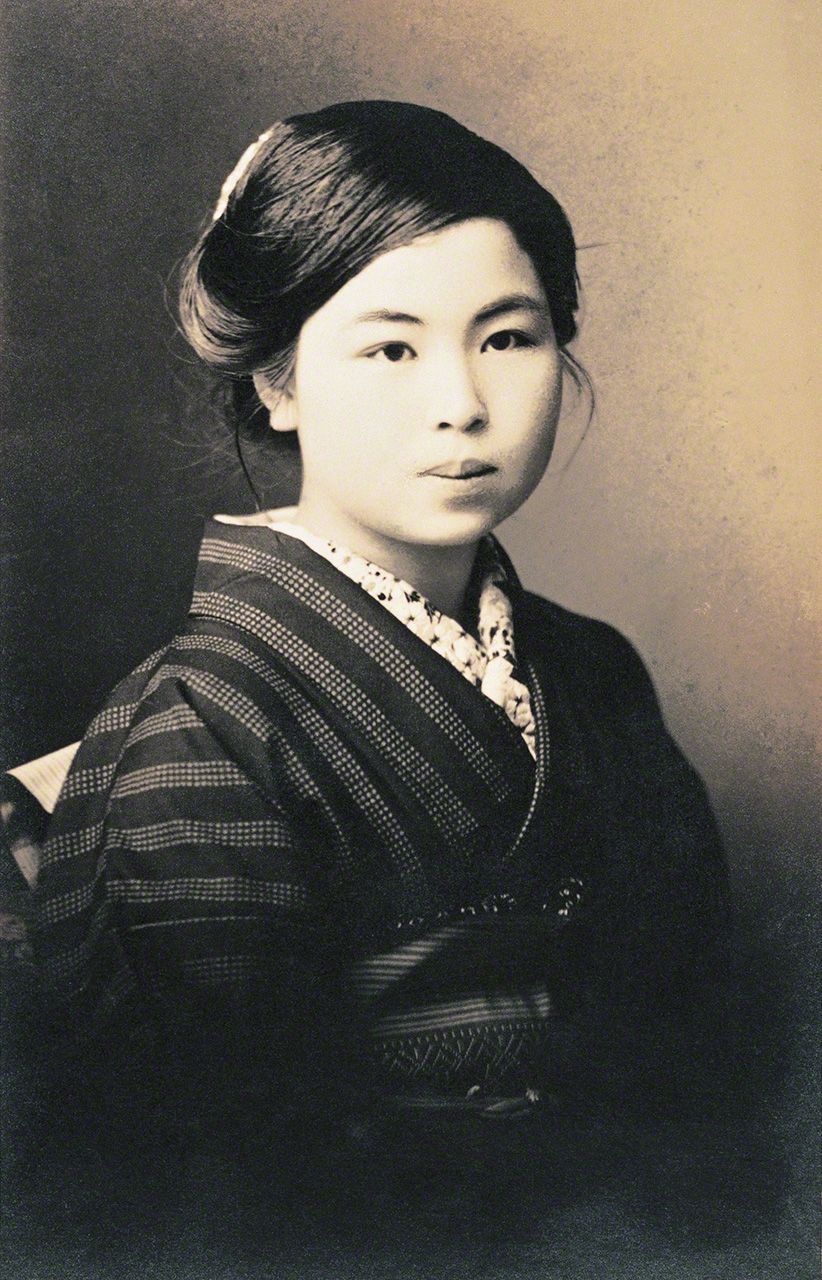
The poem in question is titled “The stone”:
田舎の道の石ころは赤い夕日にけろりかん
いなかのみちのいしころはあかいゆうひにけろりかん
Since this was a Japanese show, and for kids, no english translation was provided, but after some late-night digging, here’s how I would translate it:
The rock on a country road looks impassively at the setting sun.
I guess the reason why I thought this was cool was that to me it says that our notions of beauty and such don’t really matter. They have no real weight in terms of reality. She uses the term 赤い夕日 (あかいゆうひ) or “red setting sun”, which I take to mean a really beautiful sunset. Also, the term けろりかん was really hard to find, but I guess it’s analogous to あっけらかん which means looking blank or indifferent. Maybe けろりかん is an archaic word, or dialect. Don’t know.
So, taking all that together, I believe she’s talking about how a sunset might be really beautiful to us, but its subjective. The rock doesn’t care; it just looks impassively at it. Then, I believe this extends to all the drama of our lives, and how none of it really matters, except in our own heads.
Maybe I am reading into it too much, but it’s a cool verse, and it’s nice to introduce another famous poet, especially a female one. 
P.S. Guide for reading Hiragana letters can be found here.
1 The words of Uan Dōni ring true here.
 Hello, this blog is about my life as a father, Buddhist and Japanophile. Any useful information I can pass along will hopefully make the
Cool little poem. It’s something you can reflect on for a while and come up with different possible interpretations.
Off topic, I was curious how you type the ゞ character. I copied and pasted it here, but on a Western keyboard how do you type it?
Good question about the ゞ character. I have no idea. That was admittedly copy/pasted from Wikipedia, but if I had to guess, it repeats the previous kana letter but with a “z” sound instead.
My wife liked this post actually. She sang me a popular song whose lyrics were Misuzu’s poetry put into music by someone else. I heard the song before (can’t recall the name), so it was kind of a surprise. Misuzu’s influence on contemporary Japanese culture is more than one might think!